 Rabbi Emanuel Shahar
Wine drops at the Passover Seder — the custom’s origin and meaning
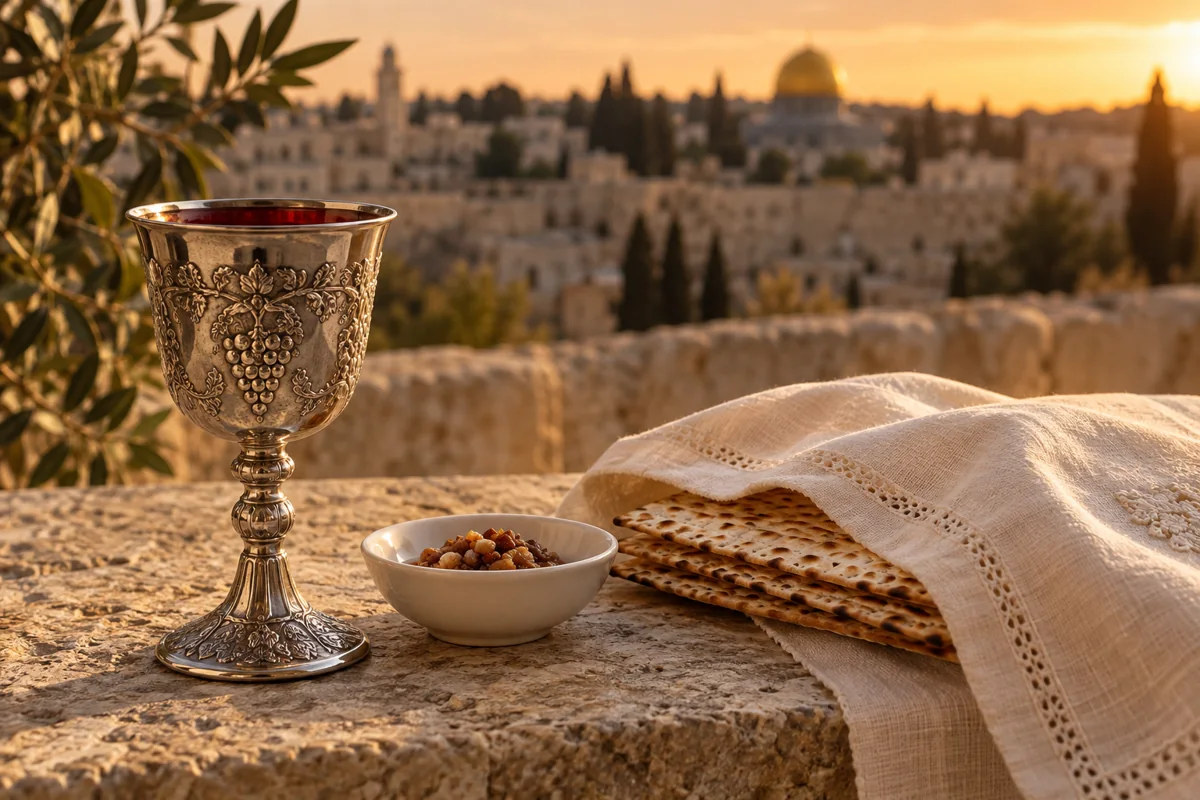
While reciting the plagues in the Haggadah, many communities customarily remove a little wine from the cup. This small act has received different interpretations in books of customs, Jewish law and Kabbalistic literature. To understand it properly, it is important to distinguish the custom in the Haggadah’s order from later stories associated with the wine drops.
Its source in the laws of the Seder
The Rema’s glosses on the laws of Passover, section 473, mention dropping wine while saying ‘blood, fire and pillars of smoke,’ the ten plagues, and Rabbi Judah’s mnemonic signs. Books of customs describe different ways of doing this, including using a finger or pouring directly from the cup. Each family should follow its custom; if no clear custom is known, a rabbi can be consulted.
Interpretations and allusions
Some interpretations emphasize remembrance of the plagues and the plea for deliverance, while others address mystical allusions and intentions. Different interpretations should not be combined as though they all appeared in the same source. Even a very familiar explanation should be attributed to a particular author only after checking the wording in that author’s book.
The Seder is devoted to telling the story of the Exodus, giving thanks and teaching. Customs involving the cup can deepen intention, but should not distract from the story or the conversation among household members.
Is this a custom for harming someone else?
Folk stories also associate the wine drops with actions directed against rivals. A story’s existence does not make it a halakhic instruction or prove that the act caused the reported event. The source of the wine-dropping custom does not authorize pouring wine where a particular person walks or performing an act intended to frighten or harm them.
Someone involved in a dispute needs a factual examination and a permissible way to resolve it. Seeking the Creator’s help can accompany this without turning the holiday table into a place of vengeance.
How should it be practiced?
Follow the Haggadah and family custom, maintain cleanliness and safety, and remove broken utensils or dangerous objects. There is no need to collect the drops for another use. Questions about how to remove the wine or what to do with the remaining wine should be referred for halakhic guidance appropriate to the family’s custom.
This keeps the custom in its proper setting: part of an order of thanksgiving, remembrance and hope for redemption, in which responsibility for words and actions matters no less than symbolic intention.
For study: Rema, Orach Chayim 473; Darkhei Moshe, there; books on Seder customs.