 Rabbi Emanuel Shahar
‘The LORD is my light and salvation’ — inner work in the days of repentance
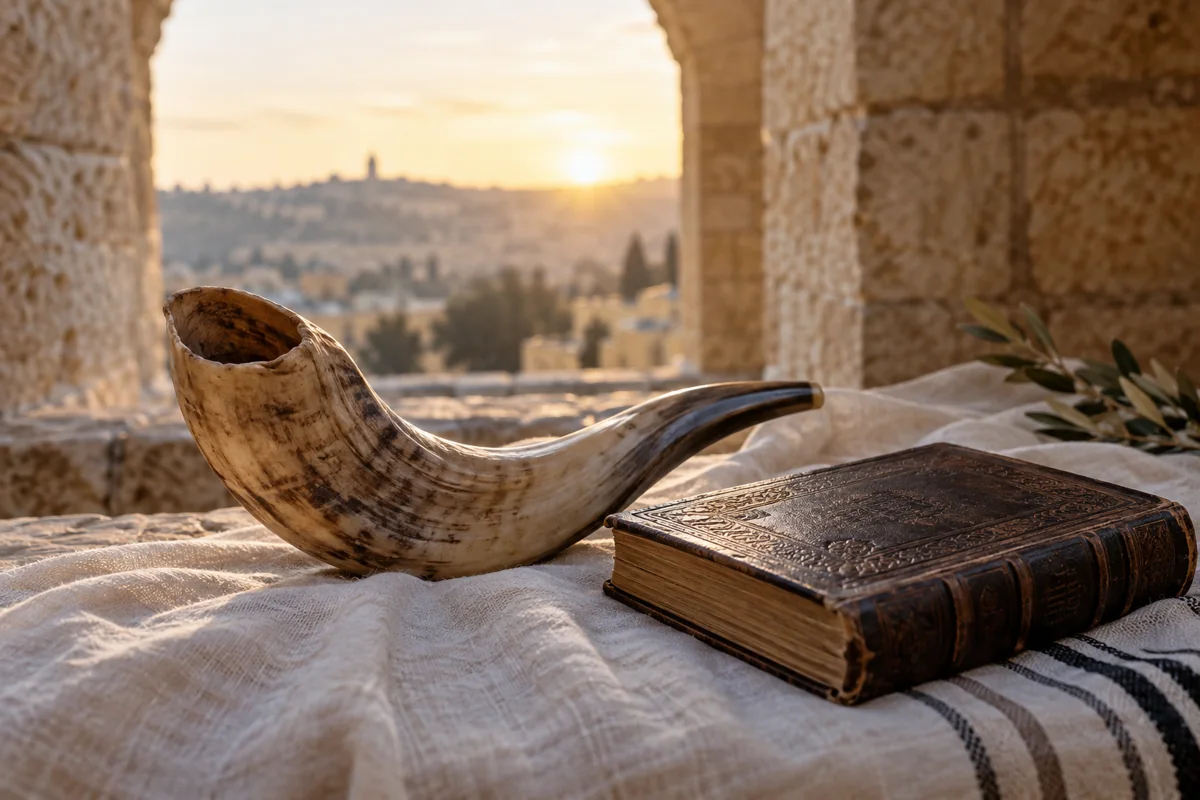
The days of repentance invite us back to what matters in life: examining our actions, repairing relationships and approaching the Creator with an open heart. Psalm 27, ‘The LORD is my light and salvation,’ has a special place in many communities’ customs. It does not ignore fear or distress; it teaches how to meet them with faith and hope.
From fear to petition
The psalm begins with light, salvation and a stronghold. Later come enemies, trouble and the hiding of God’s face, alongside one request that puts everything in perspective: closeness to God. This is an important inner movement. Prayer is more than a list of desired achievements; it seeks direction, stability and meaning within life itself.
Its ending calls for hope and a strengthened heart. This does not mean ignoring reality; it invites us to keep our capacity to act even when an answer is not immediately visible.
The psalm in segulah literature
Rabbi Avraham Hamui’s Beit El discusses the psalm’s significance and traditions of associated intentions. In this literature, distinguish ordinary Psalm recitation, open to everyone, from writing sacred names and special intentions that require study and guidance. Copying symbols you do not understand is unnecessary for sincere prayer.
How to approach the recitation
Read slowly and pause at a verse that touches your heart. Ask: What action can I correct, whom should I ask for forgiveness, and what will strengthen my faith without neglecting practical responsibility? Prayer then becomes part of a life of repentance rather than an isolated act.
Communities differ in wording and times of recitation. Follow your household’s custom and your rabbi’s guidance. Prayer’s value is expressed in intention, persistence and good deeds; it is not a promise that a particular difficulty will disappear.
Sources for study: Psalms 27; Beit El by Rabbi Avraham Hamui, topics concerning Elul.