 Rabbi Emanuel Shahar
Aleinu and Joshua son of Nun — prayer, tradition and accepting God’s sovereignty
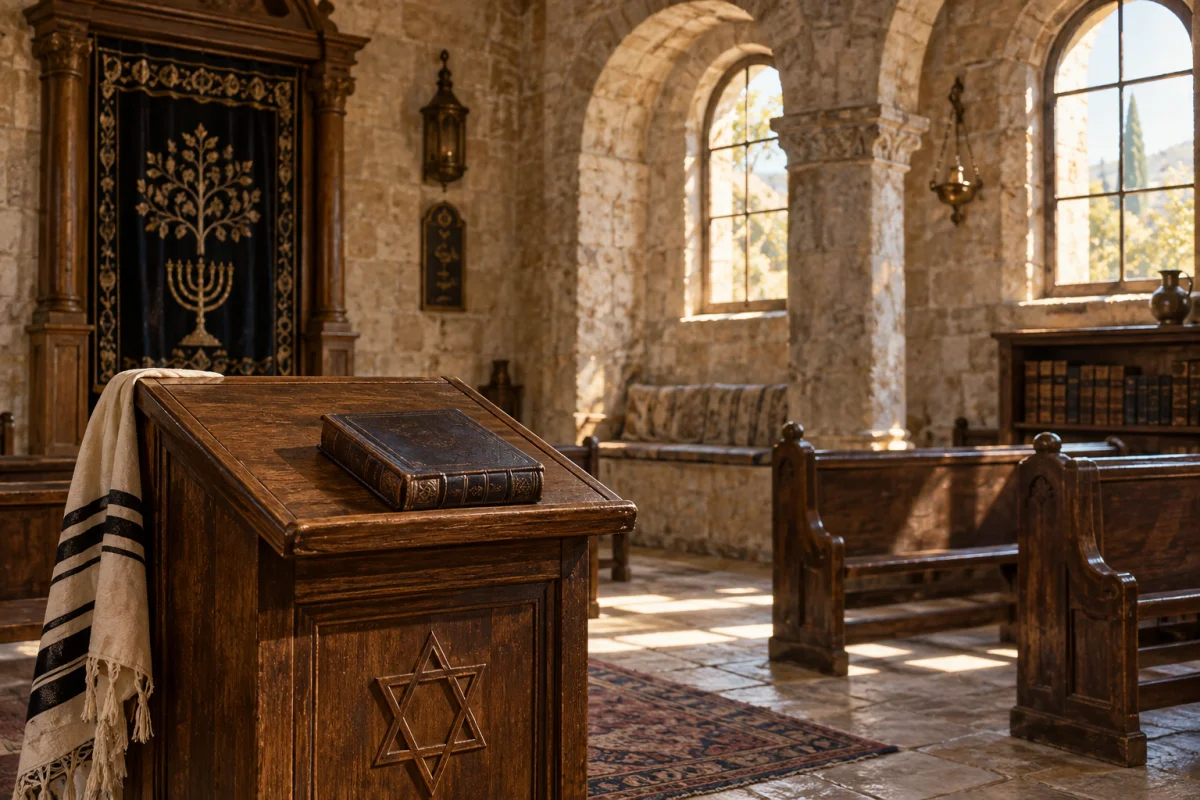
Aleinu concludes prayer services with a broad movement: from gratitude for our part in serving God to hope for the world’s renewal under his sovereignty. Its place at the end reminds us that prayer does not finish when the prayer book closes; it is meant to accompany us on our way.
The tradition linking the prayer to Joshua
Various traditions attribute Aleinu to Joshua son of Nun. Traditional attribution should be distinguished from historical research into how the prayer’s wording developed. For inner reflection, the link to Joshua raises questions of leadership, continuity and faith that carries public responsibility.
Joshua, Moses’ student and successor, reminds us of faithful transmission. Wanting to begin a new path is not enough; we must preserve a connection to the root from which it grew.
What does the prayer seek to awaken?
The first part centers on gratitude; the second expresses hope for a world recognizing God’s sovereignty. Together they move from the individual and community to a view of the whole world. Reading calmly lets us attend to this movement instead of rushing through the conclusion.
Exploring traditions about his burial place
Traditions about Joshua’s burial place appear in travel accounts and works such as Kaftor VaFerach. Some connect visiting the site with reciting Aleinu. This custom is not a condition for prayer to be accepted; one can pray with intention in a synagogue or any suitable place.
This article addresses spiritual meaning and tradition only. It is not guidance to undertake a journey or reach a place where access involves danger. The focus is inner work: gratitude, humility and asking that faith lead to better actions.
For study: Aleinu in the prayer book; Kaftor VaFerach, its discussion of traditions about places.