 Rabbi Emanuel Shahar
Key-shaped challah — the custom’s origins and the meaning of praying for livelihood
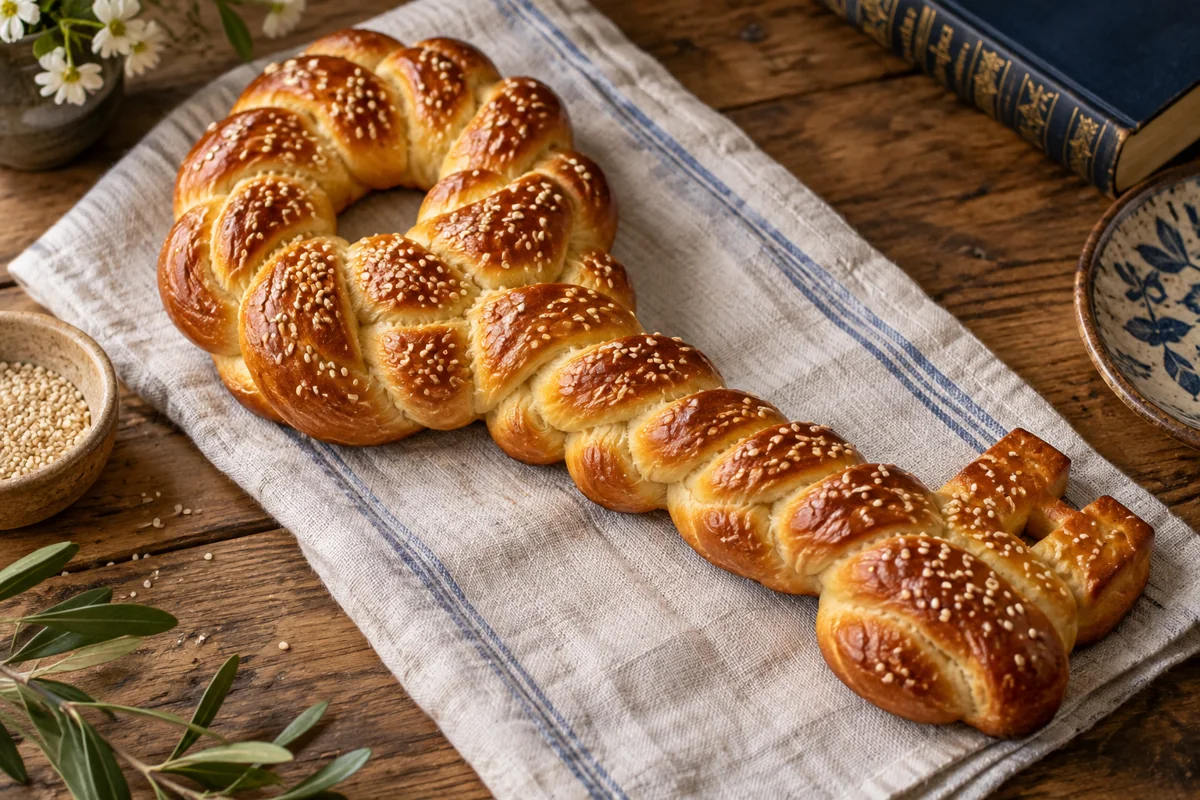
Key-shaped challah is a familiar custom associated with prayers for livelihood. Communities that observe it prepare it for the Shabbat after Passover. The key suggests opening gates, but the custom’s meaning goes beyond its shape: it connects the household’s bread with prayer, memory and gratitude.
The explanation in Ohev Yisrael
Ohev Yisrael, by Rabbi Avraham Yehoshua Heshel of Apta, discusses making a key shape in challah. One explanation connects it with the transition from eating manna to eating the land’s produce. This transition raises the question of livelihood and the request that gates of blessing open.
The idea reminds us that even while working and planning, we may seek help and blessing. Effort does not contradict faith, and prayer does not excuse us from effort.
Gates and inner growth
Another explanation in the book relates to counting the Omer and moving from gate to gate. The key can symbolize opening the heart to study, kindness and character development. The custom thus invites growth rather than being confined to asking for money.
How is the custom practiced?
Some make a whole challah in the shape of a key; others add a dough key to an ordinary challah. It is preferable to use edible dough alone, without putting metal keys, plastic parts or other foreign objects in the bread. Those who do not follow this custom need not fear that their home lacks blessing.
The blessings and the mitzvah of separating challah follow halakhah according to the dough’s quantity and type; its shape does not change these rules. When in doubt, clarify the relevant law itself.
What remains after the meal?
Choose one action to accompany the request: charity within your means, honesty at work, avoiding waste or gratitude for your existing livelihood. Key-shaped challah is a custom of hope and meaning, not a promise of a particular income.
Source for study: Ohev Yisrael, collected teachings, the challah custom on the Shabbat after Passover.