 Rabbi Emanuel Shahar
Preserving blessing in livelihood — respect for bread and gratitude
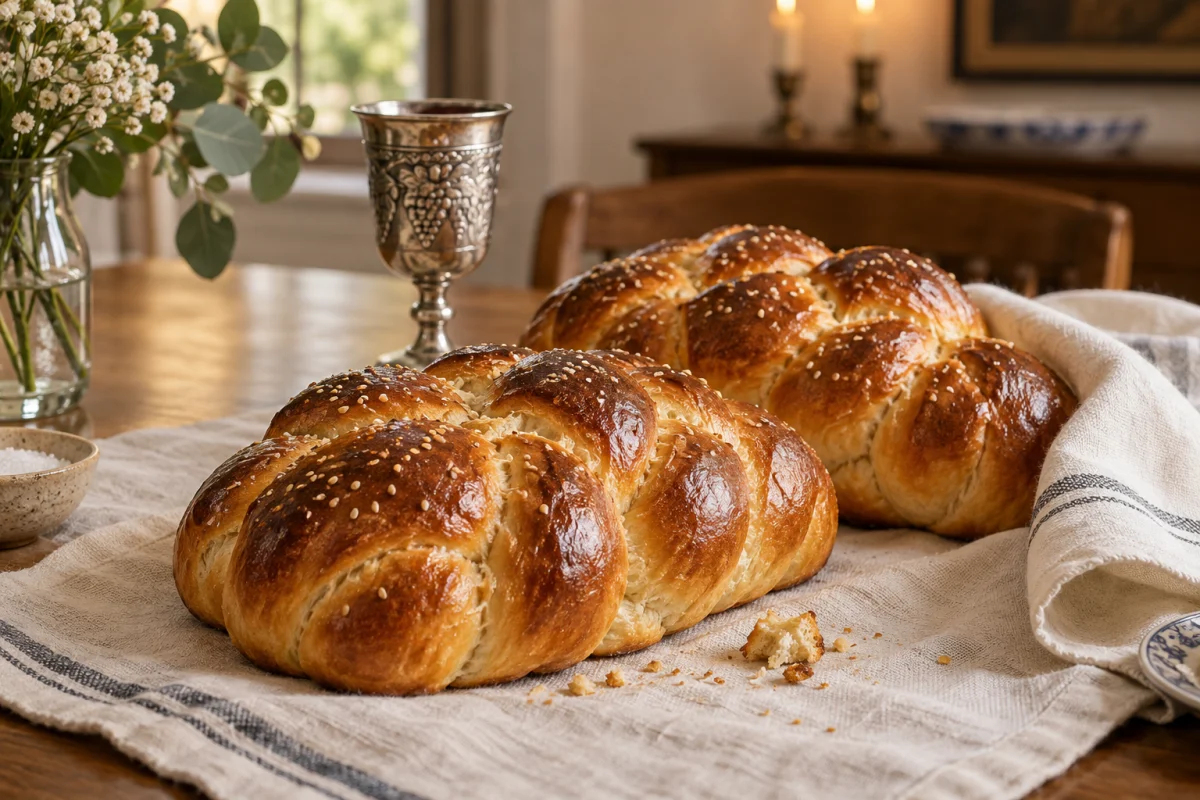
Some seek a blessing for their livelihood and place all their hope in a moment of prayer. Yet the work of blessing also appears in everyday details: how we treat what we have already received, the respect we show food and our gratitude for our daily bread. Jewish tradition does not entirely separate asking for abundance from the responsibility to preserve it.
Respect for bread in rabbinic tradition
Tractate Chullin, folio 105b, tells of a person who took care of bread crumbs and would not let them be trampled. The story presents respect for food as something with spiritual depth. Its purpose is not to cause anxiety over every crumb, but to awaken sensitivity: what looks small may express a great gift.
When someone habitually disrespects their bread, they may stop seeing it as a gift. By contrast, someone who recites blessings calmly, uses food wisely and avoids waste nurtures a different relationship with abundance. This is a practice of gratitude, not a mathematical formula guaranteeing profit.
At home and at the Shabbat table
The Shabbat table is a good place to teach children respect for food. Serve moderate portions, store leftovers properly and clear the table respectfully. Teach through personal example and joy, without making the meal a source of stress.
Some families carefully collect the challah crumbs after breaking the bread. What matters is not merely the outward gesture but the heart behind it: recognizing the labor that brought the bread to the table, honoring the blessing and taking responsibility for the household.
Blessing and effort go together
Seeking a good livelihood goes together with honesty in business, responsible spending and practical effort. A segulah practice does not replace orderly management or guarantee a life without difficulties. Its value lies in directing us toward faith, gratitude and moderation.
Anyone wishing to grow in this practice can begin simply: say blessings with intention, respect food and avoid deliberate waste. Small actions build a home that recognizes goodness and does not take it for granted.
Source for study: Babylonian Talmud, Chullin 105b.