 Rabbi Emanuel Shahar
The manna passage — prayer for livelihood and trust
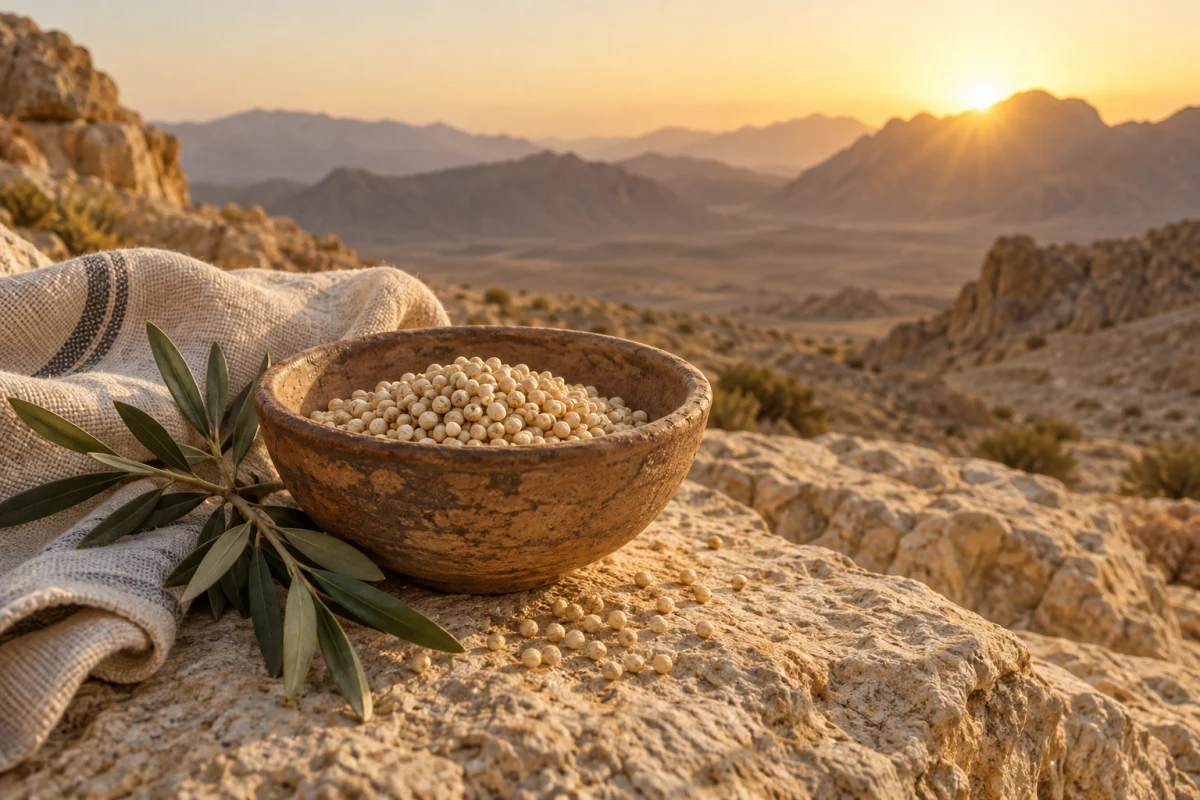
The manna passage in Exodus brings us face to face with livelihood and trust. The Israelites go out each day to gather their bread, learning to recognize the gift they have received alongside the obligation to do their part. Jewish tradition includes reading this passage as a prayer for livelihood and a way to strengthen faith.
Livelihood, effort and trust
Reflecting on the passage invites responsibility: going to work, dealing honestly, giving thanks and making room for Shabbat and rest. Prayer for livelihood is not separate from practical life; it accompanies it. Readers can consider how to fulfill their obligations without letting worry take over their hearts.
How is it read?
Some read the manna passage after prayer, while others read it at different times. It can be read from a Chumash or prayer book, calmly and with attention to the meaning. Customs vary between communities; practical questions about wording and timing should be directed to a rabbi who provides guidance.
The manna passage
Exodus, chapter 16, verses 4–36.
The LORD said to Moses: I will rain bread from heaven for you. The people shall go out and gather each day’s portion, so that I may test whether they will follow my teaching. On the sixth day, when they prepare what they bring in, it shall be twice what they gather daily. Moses and Aaron said to all the Israelites: In the evening you will know that the LORD brought you out of Egypt, and in the morning you will see the LORD’s glory, for he has heard your complaints against him. What are we, that you complain against us? Moses said: When the LORD gives you meat to eat in the evening and bread in the morning to satisfy you, it is because he has heard your complaints against him. What are we? Your complaints are not against us but against the LORD.
Moses said to Aaron: Tell the whole community of Israel to draw near before the LORD, for he has heard their complaints. As Aaron spoke to the whole community of Israel, they turned toward the wilderness, and the LORD’s glory appeared in the cloud. The LORD spoke to Moses: I have heard the complaints of the Israelites. Tell them: At twilight you will eat meat, and in the morning you will be satisfied with bread; then you will know that I am the LORD your God. In the evening quail came up and covered the camp; in the morning a layer of dew lay around it. When the dew lifted, there on the wilderness floor was a fine, flaky substance, fine as frost upon the ground. The Israelites saw it and said to one another, ‘What is it?’ for they did not know what it was. Moses told them: This is the bread the LORD has given you to eat. This is what the LORD commands: Gather as much as each person needs to eat, an omer per person, according to the number of people in your household. The Israelites did so, some gathering more and some less. When they measured it by the omer, the one who gathered much had no excess and the one who gathered little lacked nothing; each had gathered what they needed to eat.
Moses said: No one is to leave any of it until morning. But some did not listen and left some until morning; it bred worms and stank, and Moses was angry with them. They gathered it each morning, each according to their needs; when the sun grew hot, it melted. On the sixth day they gathered twice as much bread, two omers per person, and all the community leaders came and told Moses. He said: This is what the LORD has spoken: Tomorrow is a solemn rest, a holy Shabbat to the LORD. Bake what you will bake, cook what you will cook, and set aside all that remains until morning. They kept it until morning as Moses had instructed, and it neither stank nor contained worms. Moses said: Eat it today, for today is Shabbat to the LORD; today you will not find it in the field. Six days you shall gather it, but on the seventh day, Shabbat, there will be none. On the seventh day some people went out to gather, but found nothing.
The LORD said to Moses: How long will you refuse to keep my commandments and teachings? See, the LORD has given you Shabbat; that is why on the sixth day he gives you bread for two days. Each of you is to remain where you are; no one is to go out from their place on the seventh day. So the people rested on the seventh day. The house of Israel named it manna; it was white like coriander seed and tasted like wafers with honey. Moses said: This is what the LORD commands: Keep an omer of it throughout your generations, so that they may see the bread with which I fed you in the wilderness when I brought you out of Egypt. Moses said to Aaron: Take a jar, put a full omer of manna in it and place it before the LORD, to be kept throughout your generations. As the LORD had commanded Moses, Aaron placed it before the Testimony for safekeeping. The Israelites ate manna for forty years until they came to an inhabited land; they ate it until they reached the border of Canaan. An omer is one tenth of an ephah.
Add a heartfelt request
After reading, you may ask for a dignified livelihood, wisdom in managing household affairs, success in honest work and the ability to help others. Prayer expresses hope and blessing; it is not a promise of wealth or a particular financial result.